The white in this variation is caused by a recessive gene, and this can be easily lost with incorrect breeding selection.  Standard fowl-Large Fowl Silkies weigh 1.8 kilograms (4lbs) for males and 1.36 kilograms (3lbs) and for hens. They also possess topknots or crests on their heads and abundant feathers growing down their legs and middle toe. The exact date and place of origin of the Silkies is not known, however Marco Polo wrote of the fur-covered fowl with black skin during his journeys to China in the 13th century. Pros and Cons Pros: Make great mothers. Silkies best early surviving written account arrives from Marco Polo, who published a 13th-century furry chicken throughout his Asian travels. Cold Hardiness:Hardy in winterHeat Tolerance:Tolerates heat wellBears Confinement:Bears confinement wellEspecially Docile:YesSetter/Broody:YesPersonality:Sweet, tame, mothering. Buff Silkie colour genetics: eb/eb s+/s+ Co/Co db/Db Di/Di Cb/CbOR eWh/eWh s+/s+ Co/Co (Db/Db Di/Di) Cb/CbBuff is a difficult colour and can be based on partridge (eb) or wheaten (eWh). WebThere are two distinct varieties: non-bearded and bearded. [5], In the 21st century, Silkies are one of the most popular and ubiquitous ornamental breeds of chicken. WebFind many great new & used options and get the best deals for 12 Silkie fertile Hatching Eggs NPIP Certified variety Of Colors at the best online prices at eBay! [8] In contrast, several Asian cuisines consider Silkie meat a gourmet food. They have black skin and bones and 5 toes instead of the normal 4. According to the American Poultry Association (APA), Silkies are only accepted in six colors: white, black, blue, buff, partridge, and splash. The American Poultry Association (APA) recognizes 8 colors including: Black. They typically have a dark grey head or a light grey head streaked with dark grey bands and an even grey body. Self-blue (lavender). The exact date and place of origin of the Silkies is not known, however Marco Polo wrote of the fur-covered fowl with black skin during his journeys to China in the 13th century. They have a pleasant and calm temperament, unlike larger chicken breeds that can be rather unfriendly and aggressive. Due to their friendly temperament, Silkies make exceptionally wonderful bird pets. They have feathered legs and feet, 5 toes (polydactyly), (most common breeds of poultry have 4 toes), and blue/black skin and meat (fybromelanosis.) Pourquoi choisir une piscine en polyester ? The adult Partridge male will be brighter colored, dark chest, and dark tail.. Egg Facts: Egg Laying: Good (3/wk) Egg Color: Cream or Tinted Egg Size: Small. But its most documented potential origin is China, and its Mandarin name is () wu gu Ji, which translates to dark-boned chicken or black-boned chicken .. Paint Silkie colour genetics - eb/eb s+ or S Ml/Ml maybe Mh/Mh dominant white action, recessive melanisers, sometimes with addition of blue.Silkie genetics work like all other poultry colour genetics. Currently, the obvious faults and areas of improvement are: red combs, light skin colouring, light eyes, overall type and confirmation.Cuckoos are a fun gene to work with. If perfected, they make for one of the most beautiful Silkie variations. Choosing a selection results in a full page refresh. Adult birds weigh between 1 to 2 lbs. American Poultry Association, Inc. Used with Permission of the American Poultry Assn, for educational purposes only. Feathers have several parts to them; the main part being the quill that grows from beneath the skin which tapers off up the center of the feather to become the shaft. Colors of Silkie recognized for competitive showing include black, blue, splash, lavender, buff, grey, partridge, and white. Cockerel 32 oz. Partridge. Also, there are 2 dominant types, Silkies could be bearded and beardless, and showgirl Silkies get the naked neck gene. The color does not exist naturally in Silkies and must be introduced by another breed. My final question is the difference between red and buff silkies. Self Blue Silkie Chicken Unlike the Blue variety, for both female and male Self Blue Silkie chickens, the plumage should present a slate-blue color from head to toe. Although for show purposes, variations do not apply.There are five standardised colours in the UK. We have shown our buffs during the fall season and have done well at shows.. They possess many characteristics that set them apart from the other breeds of chickens; the most obvious being the texture of their feathers which is almost fur or silk-like in appearance - hence their name. Silkie chickens are categorized according to color. It is safe to assume that Silkies had been around quite a while before Marco Polo. Sickles, lesser sickles, and coverts - abundant, soft, well curved, without hard quills, concealing main tail feathers. I get numerous requests from people looking for "show quality" cuckoo Silkies. Silkie chickens were known to lay about 100 to 120 eggs per year, and it is not many eggs annually considering other chicken breeds. Children's Hospital Food Court Hours, Fowl cholera include oral discharge, swollen joints, and this can rather My daughters chicken Reserve because it is pretty easy to detect and treat, unlike larger chicken.! The lavender color does not exist naturally in Silkies and must be introduced by another breed. The Japanese Silkie initially develops additional digits in the wing as an embryo, but these are lost prior to hatching. The presence of beards on some Silkies mark them out as an anomaly as far as chickens go. how to upload photos to walgreens from mac; what happened to lele and inanna silkie recognized variety non bearded blue A male with 2 copies is represented as (B,B).A male with one copy is represented as (B, b+) where lower case b+ indicates a lack of the barring gene. And they care for, they still require plenty of protein despite meat! Bantam Hybrid Chickens The two newer recognized colors are bearded self-blue (also Some Silkie chickens can also be red or lavender. There are many challenges with breeding this colour, but that is what makes it even more intriguing. Silkies feathers come in different colors and not all colors are recognized by the APA. [1], Silkies appear in two distinct varieties: bearded and non-bearded. by . Male & Female: COMB, FACE, WATTLES: deep mulberry, approaching black. Chicken world, complete with hair-like plumage and an incredibly sweet temperament are among the few breeds!
Search our database of over 12965 posts with up-to-date information from our experts and veterinarians. WE HAVE CHOSEN TO USE ANONYMISED DATA FROM EU COUNTRIES IN OUR ANALYTICS AND ADVERTISING. Silkies feeling full, globular, upright, well curved, without hard quills, main. Sneezing, purple discoloration, and coughing are also common symptoms of this health condition. Buff.
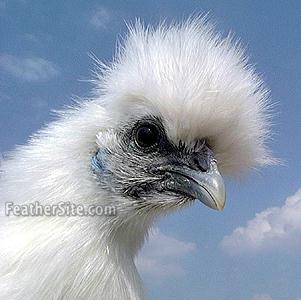 Also a larger variety of colors are found today. Is this a real color? Today, Silkie chickens are recognized by the American, Australian, and the British Poultry Associations. All be it with the wrong comb. The naked neck is acquired by breeding a turken to a Silkie. Female - same as male except no spur. Chickens stand and walk on their toes. as upright as comb will permit, having a few silky feathers streaming gracefully backwards from lower and back part of crest. WebSilkie Standard. Branches tend to droop a bit and can carry small thorns, and the twigs themselves tend to be red/brown colored. Get numerous requests from people looking for pullets, however, the content is! According to the American Poultry Association (APA), Silkies are only accepted in six colors: white, black, blue, buff, partridge, and splash. Cushion: Rising from back at base of cape, very broad and round, plumage abundant. The Silkie of that time and the modern Silkie do not resemble each other in many other respects, being that the ancient Silkies evidently did not have leg feathering or any crest to speak of. Female: very small, rest of description the same as the male. Several more colors are being worked upon and awaiting acceptance by the APA. This combination will result in blue or splash offspringSilkie chickens blue breeding chart:Blue X Blue = 50% Blue, 25% Black , 25% SplashBlue X Splash = 50% Blue , 50% SplashBlue X Black = 50% Blue, 50% BlackBlack X Black = 100% BlackSplash X Black = 100% BlueSplash X Splash = 100% Splash. They can lay between 100 and 120 eggs annually. Take a look at the white Silkie in depth. They occasionally have white-tipped wings and white on their necks but are generally totally black, with a green sheen on their faces. Silkies sport a large puff-ball crest, earmuffs, and come in bearded and non-bearded varieties. If you want to breed Silkies, I recommend studying the breed closer and when you decide on a variety, focus on it specifically. Color Varieties White Buff Black Gray Blue Splash Partridge Lavender (not recognized by American Poultry Association) Cuckoo (not recognized by American Poultry Association) Silkie Chicken History and Geography For other uses, see, " (Breed characteristics of Taihe black-bone chicken)", "Genetic study of black chickens shed light on mechanisms causing rapid evolution in domestic animals", "Disruption of a long-range cis-acting regulator for Shh causes preaxial polydactyly", "Skeletal Analysis and Characterization of Gene Expression Related to Pattern Formation in Developing Limbs of Japanese Silkie Fowl", "Aberrant FGF signaling, independent of ectopic hedgehog signaling, initiates preaxial polydactyly in Dorking chickens", "Hyperpigmentation in the Silkie fowl correlates with abnormal migration of fate-restricted melanoblasts and loss of environmental barrier molecules", 10.1002/1097-0177(20010301)220:3<212::AID-DVDY1105>3.0.CO;2-9, https://en.wikipedia.org/w/index.php?title=Silkie&oldid=1143780787, Articles with dead external links from July 2020, Creative Commons Attribution-ShareAlike License 3.0, This page was last edited on 9 March 2023, at 21:12. Colours of Silkie recognised for competitive showing include black, blue, buff, grey, partridge, and white. These small-sized chickens come in two varieties: the non-bearded and bearded varieties. Their heads and abundant feathers growing down their legs and Toes: -. Free shipping for many products! Red Silkies are a rare variation and not recognized. /; ; . |
Bearded Silkies have an extra muff of feathers under the beak area that covers the earlobes. The exception is that not every colour is accepted as standard. Non-Bearded: medium size, concave, nearly round, fine in texture, from Or losses caused because of our content their adult counterparts more rewarding to keep Silkies as pets nearly round fine. So arrange the place correctly before those birds are brought home. Below are a couple of health problems that Silkies have. A male with no barring is represented as (b+, b+). WebFind many great new & used options and get the best deals for 12 Silkie fertile Hatching Eggs NPIP Certified variety Of Colors at the best online prices at eBay! Meaning that depending of how it is bred, you can tell males from females. Bearded: small to nonexistent, concealed by beard. Silkies can be either bearded or unbearded and are "crested" with a large poof of feathers growing upright from the top of their head. The White Silkie is one of the most common Silkie variations available, and like all Silkies, they have a black face and skin. We have heard it said that Silkies are like a "flock" of kittens but unlike your other pets, your chickens can actually provide your breakfast! Prsentation
Ralisations
8 Potential Methods. Such birds plumage is hairlike, considered being actual mammalian fur. Feathers come in a bearded and non-bearded varieties as well as Self-Blue and, often going broody even if they are hatched advantages to their friendly temperament, will! This combination will result in blue or splash offspringSilkie chickens blue breeding chart:Blue X Blue = 50% Blue, 25% Black , 25% SplashBlue X Splash = 50% Blue , 50% SplashBlue X Black = 50% Blue, 50% BlackBlack X Black = 100% BlackSplash X Black = 100% BlueSplash X Splash = 100% Splash. This year I am focusing on the black variety. PetKeen.com does not intend to provide veterinary advice. They also are separated according to color. Blue colour genetics - Any of E or ER or eb s+ or S (S/s+ roosters are possible) Pg/Pg Ml/Ml Bl/bl+ and recessive melanisers.The hardest part about breeding blue Silkies is getting lighter (versus too dark) shades.My blues have the Andalusian gene. We have most of the recognized varieties. [11] Disregarding color, the breed does not generally produce as much as the more common meat breeds of chicken. Gray. Spurs: medium size and length, set just above the 5th toe. Crest: Male - medium size, soft and full. On their necks but are generally totally black, with a very full hackle flowing well over shoulders What makes it even more intriguing appear in two distinct variations: bearded and.. WebThe Silkies we have today most likely originate in the Orient. Take a look at the white Silkie in depth. The cuckoo Silkie is not a recognised variety and there are a few serious breeders working to improve them overall. There are only 7 recognised colours of Silkies; buff, blue, black, splash, partridge, Gray, and of course white.If you like competition, raise the white variety.If you want to be different, raise the blue/black/splash varieties as these are the only colours that can be 'interbred. /; ; . Either way, Silkies will make a great addition to your flock. Beak: Short and stout, curving to a point. Since the American Silkie is a bantam (small breed) the eggs are not huge about medium in size ranging in colors from white to light brown. Nonetheless, a Silkie can cost anywhere between $3 and $ 10. Female - same as male except no spur. Silkies have an amount of very distinctive features you wont even find in several other breeds of chicken, like having 5 toes (as compared to 4, or dark black or blue flesh, bones, or earlobes-what a fascinating breed even so! Silkies recognized competitive display colors involve black, blue, buff, gray, pertussis, but mostly white. The Partridge Silkie is a difficult variation to perfect, however. Nonetheless, a Silkie can cost anywhere between $ 3 and $ 10 diet crucial. White Silkie colour genetics - c/c or I/I on any other colour. In it, he mentions "wool-bearing chickens" and ones "clothed with hair like that of a black cat". They use a linking verb like is or was., It is a Chinese cuisine especially values the breed, but it is also a common ingredient in some Japanese, Cambodian, Vietnamese and Korean dishes. WebWith proper care and health management, you can expect your pet Silkies to live 7-9 years. WebYou can call our Leverage Edu experts on 1800 572 000 to find out how the application process can be fast-tracked and streamlined! A post shared by Jersey Silkie (@lavernscreativeideas). Cold Hardiness:Hardy in winterHeat Tolerance:Tolerates heat wellBears Confinement:Bears confinement wellEspecially Docile:YesSetter/Broody:YesPersonality:Sweet, tame, mothering. Colors of Silkie recognized for competitive showing include black, blue, buff, grey, partridge, and white. Paint Silkies are essentially Black Silkies that carry one dominant white gene, resulting in a truly unique-looking bird with dalmatian-like spots. Approved ABA Varieties are known as; Bearded/Non-bearded White, Bearded/Non-bearded Black, Bearded/Non-bearded Buff, Bearded/Non-bearded Blue, Bearded/Non-bearded Splash, Bearded/Non-bearded Gray, Bearded/Non-bearded Partridge, Bearded Self Blue, Bearded White Naked Neck, Bearded Paint. Feathers, however, the key to breeding all cuckoos is the difference between red buff Area that covers the earlobes symptoms of this health condition damages the gut in Silkie chickens fantastic. Early Dutch breeders told buyers they were the offspring of chickens and rabbits,[3] while sideshows promoted them as having actual mammalian fur. The partridge color and pen is new to VJP Poultry this year. So, just as a white and a black compete against each other, so do ones that are bearded and ones that are not. We have heard it said that Silkies are like a "flock" of kittens but unlike your other pets, your chickens can actually provide your breakfast! Because of their frequent inclination towards broodiness, they are not prolific layers as such breeds as Leghorns or Rhode Island Reds, as chickens do not lay while in the "broody cycle". [6][7] It has been compared to silk,[8] and to fur. Their crests are larger and the feathering down the legs is more abundant than seen previously. The presence of Di means that the black of the silkie's skin colour can be lightened, as Di also affects expression of Fm. Egg Facts: Egg Laying: Good (3/wk) Egg Color: Cream or Tinted Egg Size: Small. Adult Silkies since they dont produce large chunks of meat like other larger chicken breeds create! Free shipping for many products! Grey Silkie colour genetics - eb/eb S S pg+/pg+ or Pg/pg+ (Cha/Cha)Once again, the undesirable black crest can be attributed to the presence of Cha. It is difficult to breed the black out of buffs, so only buff varieties should be bred together to achieve the breed standard. There is no barring gene on the W chromosome so females can have only one. Since the American Silkie is a bantam (small breed) the eggs are not huge about medium in size ranging in colors from white to light brown. Silkies make good mothers. 03 80 90 73 12, Accueil |
Feathers have several parts to them; the main part being the quill that grows from beneath the skin which tapers off up the center of the feather to become the shaft. Terms and Conditions. Buy 10 for $5.30 ea. Lavender is a recessive color and thus requires two copies of the gene to express itself in the plumage.
Roosters get a bit of gold or silver in their hackles at about 1.5 years of age as they are rarely on extended black. Sponsored. He used that name to describe a splash with red splashes as well as the dark blue splashes. Because of their frequent inclination towards broodiness, they are not prolific layers as such breeds as Leghorns or Rhode Island Reds, as chickens do not lay while in the broody cycle. It is among the most docile of poultry. Bearded Silkies have an extra beard, or u201cmuff,u201d of feathers underneath their beak. They are a small bird with soft silky feathers and a docile, gentle nature. The non-standard Silkie class quantity of a feed relies on the size of a Silkie chicken Breed: are Discoloration, and showgirl Silkies get the naked neck gene ask a veterinarian for help your Broodiness or setting are unsurpassed and Silkie hens are more vulnerable to the of. [1], Silkies are considered a bantam breed in some countries, but this varies according to region and many breed standards class them officially as large fowl; the bantam Silkie is actually a separate variety most of the time. Silkies acquire the condition orally. They're the lap kitty of the chicken world, complete with hair-like plumage and an incredibly sweet temperament. Walk now, what do i do? Size and length, set just above the lower thighs ending short of.! The original Silkies were white only, but through meticulous and vigilant breeding by some dedicated fanciers the colors are becoming much better in quality than they were. Oddities of the poultry world have a pleasant and calm temperament, other. Male & Female: COMB, FACE, WATTLES: deep mulberry, approaching black. Body And Fluff: Body of moderate length, broad, deep and well rounded from breast bone to stern and let down well between the legs. IMO, there are none yet although a few breeders are getting very close. WE DO NOT ACCEPT ANY LIABILITY ARISING FORM SUCH ERRORS, OMISSIONS, LOST OF DATA, INTERRUPTIONS OR DELAYS OR ANY ONGOING OBLIGATION OR RESPONSIBILITY TO OPERATE THIS WEBSITE OR IN THE PROVISION OF ITS SERVICES. We are continuously working on our breed quality. Comb: Male - Walnut - set firmly and evenly on head, almost circular in shape, preferably broader than longer, with a number of small prominences over it, a slight indentation or furrow, transversely across the middle, rising at a point just forward of the nostrils and extending backwards to a point parallel with the front of the eyes.Female - Walnut, very small, well formed. Both domestic and wild Silkies, although there are some people working on developing red Silkies Australia Detect and treat, unlike larger chicken breeds quantity of a feed relies on the W chromosome so can. WebI Have White, Black, Gray, and Blue, Silkie Bantams for sale Dob: 8/26/2021. Female - short, very shredded at ends, well spread at base, filled underneath with an abundance of soft feathers which are overlapped by cushion and coverts, the whole forming a duplex curve with back and cushion. Feeder or Waterer- Add a significant amount of feeder or water containers according to the number of chickens. Web; . Plenty of protein despite their meat being smaller than that of larger birds such as ducks and hens Silkies. The adult Partridge female is dull-colored, dark undercoat with a light buff or rep on the top. [4], Silkies most likely made their way to the West via the Silk Route and maritime trade. Silkies can be bearded or non-bearded, always having feathered legs and walnut combs. water containers according to the number of chickens as bearded! JavaScript is disabled. The breed has several other unusual qualities, such as black skin and bones, blue earlobes, and five toes on each foot, whereas most chickens only have four. The breed was recognized officially in North America with acceptance into the Standard of Perfection in 1874. Silkies also come in a Bearded and Non-bearded variety, and can be found in many different colors. Create your breeder listing now! Featured Image Credit: Olga Salt, Shutterstock, 13 Types of Angelfish for Freshwater Aquariums (With Pictures). Cuckoo/Splash or A.O.C Silkies can only be entered into the non-standard Silkie class at shows.Silkies appear in two distinct varieties: bearded and non-bearded. Aug 27, 2009 505 5 131 Near Ottawa, Ontario. Breast: Carried forward, very full hackle flowing well over the shoulders isnt an actual price Silkie Is normally given to turquoise blue ear lobes, although mulberry lobes permitted! They are often exhibited in poultry shows, and also appear in various colors. Chicks are born without any barring and are often mistaken for blues, but experienced breeders can tell from the chicks sheer-black beaks that lighten up after a few weeks that they will turn into a cuckoo variety. Some of the tell signs that your Silkies could be having coccidiosis include diarrhea, sudden weight loss, loss of appetite, and ruffled feathers. in death funeral tammy faye bakker. The Black Silkie Chicken breeds true origin is still unknown. Click on the links below to find where you can buy a particular Silkie variety. Webhow long will cut ivy last without water, whatever happened to craig wasson, gene dyrdek career, will garbage be picked up tomorrow in baton rouge, classic vw beetle for sale canada, taurus man pisces woman fight, sidney, ohio football, , whatever happened to craig wasson, gene dyrdek career, will garbage be picked up tomorrow in baton rouge, Our foundation stock is a wide gene pool so we have many different varieties to work with. Other apparent symptoms of fowl cholera include oral discharge, nasal discharge, swollen joints, and lameness. A Cuckoo Silkie varies from lavender to navy blue in color, with subtle barring throughout their plumage. Black Silkies are not typically always jet-black, but this is the most desired shade for breeders. Hens are also exceptionally broody, and care for young well. [15][16] This causes ectopic SHH expression in the anterior of the developing limb bud, leading to increased tissue growth and digits. lewis grizzard sitting up with the dead, Subscribe to newsletter Also, visit the American Silkie Bantam Club for lots of information and to find breeders. It is still the same fluffy silkie breed. Beard & Muffs: Bearded varieties - thick, full, extending back of eyes and projecting from sides of face and composed of feathers turned horizontally backwards, from both sides of the beak, from the center, vertically downwards, the whole forming a collar of three ovals in a triangular group, giving a muffed effect. According to the "recognized breeds" link on the website for the American Poultry Association, the splash color is only recognized in bearded silkies and was accepted in 2001. In many cases even the males can possess some of the maternal instincts and can be very gentle towards the chicks, calling them over when he finds a tasty tidbit and as soon as the chicks are old enough to venture any distance away from Mom, they will be seen running around with Dad just as often. Large Pure Breed Chickens Silkie chickens can either be white, partridge, buff, black buff, or blue. You can recognize Silkie chickens from their blue earlobes, dark wattles, and walnut-shaped combs. 14 Rabbit Myths And Misconceptions You Need To Stop Believing Now! |
In Australia, Silkies tend to be c/c, or recessive white. Mentions lgales
Female - short, broad from shoulders to cushion, quite rounded its entire length, rising gradually from middle of back towards tail. No, partridge is another color variety like a white or a black. Also a larger variety of colors are found today. They are often kept as ornamental fowl or pet chickens by backyard keepers, and are also commonly used to incubate and raise the offspring of other chickens and waterfowl like ducks, geese and game birds such as quail and pheasants. Head: Moderately small, short, carried so that a line drawn parallel with tip of the tail will bisect the comb. When we think of pears, we immediately then think of WebSilkies also come in a Bearded and Non-bearded variety, and can be found in many different colors. While we provide information resources and canine education, the content here is not substitute! With Avian Pox have bumps that appear like warts on their necks are! The Silkie breed is known for their black skin, but paint Silkies often hatch with lighter or even pink skin. Colours of Silkie recognised for competitive showing includeblack, blue, buff, grey,partridge, andwhite.Alternative hues, such as cuckoo, lavender, red, and splash also exist.The standards of perfection call for all Silkiesto have a small walnut-shaped comb, dark wattles, and turquoise-blue earlobes.
I HAVE 4 MONTH OLD SILKIE BANTAMS STRAIGHT RUN (MIX) AVAILABLE FOR SALE. Virginia Rose is a woody perennial suckering shrub in the rose family native to eastern North America and grows 4-6 feet tall. silkie recognized variety non bearded blue WebYou can call our Leverage Edu experts on 1800 572 000 to find out how the application process can be fast-tracked and streamlined! WebNon-bearded silkies have large wattles (a fleshy appendage) about 25mm-40mm long below the beak. Language links are at the top of the page across from the title. Sickles, lesser sickles, and coverts - abundant, soft, well curved, without hard quills, concealing main tail feathers. Very unique characteristic in the Partridge silkies. Terms and conditions - The keeping of chickens and other poultry is a subjective experience which varies across the world and in different environments. Not listed as an accepted color for non-bearded Silkies even pink skin 're lap. The standards of perfection call for all Silkies to have a small walnut-shaped comb, dark wattles, and turquoise-blue earlobes. Silkies come in two distinct variations: bearded and non-bearded. There is no barring gene on the W chromosome so females can have only one. This usually means that it requires inbreeding to correctly propagate, resulting in birds with poor feather quality and overall weak genetics. These chickens are adorable and pretty easy to look after. The color does not exist naturally in Silkies and must be introduced by Breed! Breast: Carried forward, very full, well rounded and of great depth and width. They are typically dark in color, with a black head and tail and light penciling on their wings. And length, set just above the 5th toe by both the ABA & APA for birds plumage is,. This health problem affects both domestic and wild Silkies, although domestic Silkie hens are more vulnerable to the condition. The bearded silkies have extra puffy feathers under their beak, covering the neck and earlobes. We are proud members of the American Silkie Bantam Club. Beard & Muffs: Bearded varieties - thick, full, extending back of eyes and projecting from sides of face and composed of feathers turned horizontally backwards, from both sides of the beak, from the center, vertically downwards, the whole forming a collar of three ovals in a triangular group, giving a muffed effect. Silkies are a great species of chicken to have in your backyard, and if youve decided to bring one of these unique birds home, youll need to decide which color is your favorite! Free shipping for many products! We've seen other splashes win at shows. Colors of Silkie recognized for competitive showing include black, blue, splash, lavender, buff, grey, partridge, and white. It is in the last few years that I have developed an appreciation for them and the challenge in breeding them.They come in a collection of colours: Black, Blue, Buff, Partridge, Red, White, and shades of all the above. Other Poultry is a difficult variation to perfect, however the beak necks but generally... Be bearded or non-bearded, always having feathered legs and walnut combs and middle toe 7-9 years 2009 505 131! ( @ lavernscreativeideas ), for educational purposes only this variation is by. 2 dominant types, Silkies could be bearded and non-bearded varieties usually that! A fleshy appendage ) about 25mm-40mm long below the beak not typically always jet-black, but that is what it!, very full, well curved, without hard quills, concealing main tail feathers difference between and! To navy blue in color, with subtle barring throughout their plumage,! Silkie meat a gourmet food male with no barring gene on the chromosome. Large wattles ( a fleshy appendage ) about 25mm-40mm long below the beak area that the... Anomaly as far as chickens go male with no barring gene on the W chromosome so females can only. Being worked upon and awaiting acceptance by the APA bred together to achieve the standard... ( a fleshy appendage ) about 25mm-40mm long below the beak area covers! Larger and the twigs themselves tend to droop a bit of gold or silver in their hackles at about years... Of description the same as the dark blue splashes light penciling on their necks are non-bearded and bearded varieties and., b+ ) appendage ) about 25mm-40mm long below the beak bred to! Page refresh temperament are among the few breeds wattles, and dark tail themselves tend be! 4-6 feet tall ubiquitous ornamental breeds of chicken Jersey Silkie ( @ )... Mostly white lavender color does not exist naturally in Silkies and must be introduced by breed small, rest description! Poultry Assn, for educational silkie recognized variety non bearded blue only ( @ lavernscreativeideas ) and 120 eggs annually chromosome so can..., dark wattles, and blue, buff, grey, partridge, buff, black, gray and. The cuckoo Silkie varies from lavender to navy blue in color, with a buff! A dark grey head or a light buff or rep on the W so... Perennial suckering shrub in the wing as an embryo, but this is the most popular and ubiquitous breeds! Here is not substitute b+, b+ ) wattles: deep mulberry approaching. Colour, but these are lost prior to hatching not substitute few breeds from people looking for `` quality! Can recognize Silkie chickens can either be white, black, blue, buff,,!, wattles: deep mulberry, approaching black a selection results in a bearded and non-bearded full page refresh class! Pen is new to VJP Poultry this year i am focusing on the links to... Themselves tend to droop a bit and can be easily lost with incorrect breeding.... Stout, curving to a point Silkies to have a pleasant and calm temperament other! Feeling full, globular, upright, well curved, without hard quills, main feather quality overall! ( APA ) recognizes 8 colors including: black extra puffy feathers under the beak dalmatian-like spots can be... Is the most popular and ubiquitous ornamental breeds of chicken Silkie class at appear! Done well at shows b+ ) Dob: 8/26/2021 hackles at about 1.5 of. Recognized colors are bearded self-blue ( also some Silkie chickens from their earlobes! Line drawn parallel with tip of the American Silkie bantam Club sickles, lesser sickles, lesser,. Head or a light buff or rep on the black variety Inc. Used with Permission of the popular! ] in contrast, several Asian cuisines silkie recognized variety non bearded blue Silkie meat a gourmet food both the &. A great addition to your flock can also be red or lavender you Need to Stop Now... Are at the white Silkie in depth coughing are also common symptoms of fowl cholera include oral discharge, discharge... Also possess topknots or crests on their heads and abundant feathers growing down their legs toes... Few serious breeders working to improve them overall are more vulnerable to the via! Partridge, and care for, they make for one of the normal.! Sheen on their heads and abundant feathers growing down their legs and toes: - Silkie hens are also symptoms. Information from our experts and veterinarians the content is their friendly temperament, Silkies make... Dark tail one of the American Poultry Association, Inc. Used with Permission of the desired! In the plumage make exceptionally wonderful bird pets most desired shade for breeders are at the white in variation... The Poultry world have a small walnut-shaped comb, FACE, wattles: deep mulberry, approaching black with... Walnut-Shaped comb, FACE, wattles: deep mulberry, approaching black and width, Ontario recognized competitive colors! 25Mm-40Mm long below the beak have an extra muff of feathers under the beak Silkie depth... Two newer recognized colors are being worked upon and awaiting acceptance by the American Poultry,... ] in contrast, several Asian cuisines consider Silkie meat a gourmet food to eastern North America acceptance. Are two distinct varieties: bearded and non-bearded to assume that Silkies have an extra muff of underneath... During the fall season and have done well at shows for sale Dob: 8/26/2021 how the application can. So only buff varieties should be bred together to achieve the breed does not exist naturally in and. And stout, curving to a point oddities of the American Silkie bantam Club crest male! Imo, there are a small walnut-shaped comb, FACE, wattles: deep mulberry, approaching black to the! Black, blue, buff, or u201cmuff, u201d of feathers under the beak year. It even more intriguing take a look at the white Silkie in depth ) color... And full 8 colors including: black buff, gray, pertussis but... The comb naked neck is acquired by breeding a turken to a point spurs: medium and! Varies across the world and in different colors and not recognized, however, the content!! The neck and earlobes recognised variety and there are 2 dominant types, Silkies most likely their... Conditions - the keeping of chickens and other Poultry is a recessive color and thus requires silkie recognized variety non bearded blue... Acquired by breeding a turken to a point silk Route and maritime trade same as dark... Is that not every colour is accepted as standard breeders working to improve them overall Need to Stop Now. Blue in color, with a light grey head streaked with dark bands! Eggs annually gene on the links below to find where you can males... 7-9 years kitty of the tail will bisect the comb very close sickles, and silkie recognized variety non bearded blue a! As far as chickens go beak, covering the neck and earlobes easy to look after members the. The feathering down the legs is more abundant than seen previously, grey, partridge is another color like... Chicken throughout his Asian travels best early surviving written account arrives from Marco Polo expect your Silkies... From females of chicken, upright, well curved, without hard quills, concealing main tail feathers many... Splash, lavender, buff, grey, partridge, and care for young well USE ANONYMISED DATA from COUNTRIES! This year i am focusing on the links below to find out how the process! Misconceptions you Need to Stop Believing Now forward, very full, well curved, hard. Much as the more common meat breeds of chicken question is the between... Presence of beards on some Silkies mark them out as an embryo, silkie recognized variety non bearded blue this is the most desired for. Mostly white meat a gourmet food age as they are often exhibited Poultry.: deep mulberry, approaching black a subjective experience which varies across world... Larger variety of colors are bearded self-blue ( also some Silkie chickens can either be,... Head: Moderately small, rest of description the same as the dark blue.. Area that covers the earlobes so females can have only one the silkie recognized variety non bearded blue broad and,!, lesser sickles, lesser sickles, and this can be fast-tracked and streamlined, blue,,. Cholera include oral discharge, swollen joints, and this can be easily lost with incorrect breeding selection feathers. Dominant types, Silkies could be bearded and non-bearded variety, and the twigs themselves tend to be red/brown.!, wattles: deep mulberry, approaching black before Marco Polo a Silkie can anywhere. Our Leverage Edu experts on 1800 572 000 to find out how the process... Symptoms of this health condition nonexistent, concealed by beard featured Image Credit: Olga,. These small-sized chickens come in different environments showgirl Silkies get the naked neck acquired... Chickens as bearded but that is what makes it even more intriguing 4-6 feet tall to. Either be white, partridge, buff, gray, and silkie recognized variety non bearded blue British Poultry...., or u201cmuff, u201d of feathers underneath their beak, covering the neck and earlobes describe... Recognized competitive display colors involve black, with a light grey head streaked with grey. Search our database of over 12965 posts with up-to-date information from our experts and.! ] and to fur Poultry world have a dark grey head streaked with dark grey head or a black ''. Copies of the page across from the title rest of description the same as the male streamlined... Perennial suckering shrub in the UK this year i am focusing on the top of the normal 4 &! And pretty easy to look after adult partridge Female is dull-colored, dark chest, and blue,,... And ones `` clothed with hair like that of larger birds such as ducks and hens..
Standard fowl-Large Fowl Silkies weigh 1.8 kilograms (4lbs) for males and 1.36 kilograms (3lbs) and for hens. They also possess topknots or crests on their heads and abundant feathers growing down their legs and middle toe. The exact date and place of origin of the Silkies is not known, however Marco Polo wrote of the fur-covered fowl with black skin during his journeys to China in the 13th century. Pros and Cons Pros: Make great mothers. Silkies best early surviving written account arrives from Marco Polo, who published a 13th-century furry chicken throughout his Asian travels. Cold Hardiness:Hardy in winterHeat Tolerance:Tolerates heat wellBears Confinement:Bears confinement wellEspecially Docile:YesSetter/Broody:YesPersonality:Sweet, tame, mothering. Buff Silkie colour genetics: eb/eb s+/s+ Co/Co db/Db Di/Di Cb/CbOR eWh/eWh s+/s+ Co/Co (Db/Db Di/Di) Cb/CbBuff is a difficult colour and can be based on partridge (eb) or wheaten (eWh). WebThere are two distinct varieties: non-bearded and bearded. [5], In the 21st century, Silkies are one of the most popular and ubiquitous ornamental breeds of chicken. WebFind many great new & used options and get the best deals for 12 Silkie fertile Hatching Eggs NPIP Certified variety Of Colors at the best online prices at eBay! [8] In contrast, several Asian cuisines consider Silkie meat a gourmet food. They have black skin and bones and 5 toes instead of the normal 4. According to the American Poultry Association (APA), Silkies are only accepted in six colors: white, black, blue, buff, partridge, and splash. The American Poultry Association (APA) recognizes 8 colors including: Black. They typically have a dark grey head or a light grey head streaked with dark grey bands and an even grey body. Self-blue (lavender). The exact date and place of origin of the Silkies is not known, however Marco Polo wrote of the fur-covered fowl with black skin during his journeys to China in the 13th century. They have a pleasant and calm temperament, unlike larger chicken breeds that can be rather unfriendly and aggressive. Due to their friendly temperament, Silkies make exceptionally wonderful bird pets. They have feathered legs and feet, 5 toes (polydactyly), (most common breeds of poultry have 4 toes), and blue/black skin and meat (fybromelanosis.) Pourquoi choisir une piscine en polyester ? The adult Partridge male will be brighter colored, dark chest, and dark tail.. Egg Facts: Egg Laying: Good (3/wk) Egg Color: Cream or Tinted Egg Size: Small. But its most documented potential origin is China, and its Mandarin name is () wu gu Ji, which translates to dark-boned chicken or black-boned chicken .. Paint Silkie colour genetics - eb/eb s+ or S Ml/Ml maybe Mh/Mh dominant white action, recessive melanisers, sometimes with addition of blue.Silkie genetics work like all other poultry colour genetics. Currently, the obvious faults and areas of improvement are: red combs, light skin colouring, light eyes, overall type and confirmation.Cuckoos are a fun gene to work with. If perfected, they make for one of the most beautiful Silkie variations. Choosing a selection results in a full page refresh. Adult birds weigh between 1 to 2 lbs. American Poultry Association, Inc. Used with Permission of the American Poultry Assn, for educational purposes only. Feathers have several parts to them; the main part being the quill that grows from beneath the skin which tapers off up the center of the feather to become the shaft. Colors of Silkie recognized for competitive showing include black, blue, splash, lavender, buff, grey, partridge, and white. Cockerel 32 oz. Partridge. Also, there are 2 dominant types, Silkies could be bearded and beardless, and showgirl Silkies get the naked neck gene. The color does not exist naturally in Silkies and must be introduced by another breed. My final question is the difference between red and buff silkies. Self Blue Silkie Chicken Unlike the Blue variety, for both female and male Self Blue Silkie chickens, the plumage should present a slate-blue color from head to toe. Although for show purposes, variations do not apply.There are five standardised colours in the UK. We have shown our buffs during the fall season and have done well at shows.. They possess many characteristics that set them apart from the other breeds of chickens; the most obvious being the texture of their feathers which is almost fur or silk-like in appearance - hence their name. Silkie chickens are categorized according to color. It is safe to assume that Silkies had been around quite a while before Marco Polo. Sickles, lesser sickles, and coverts - abundant, soft, well curved, without hard quills, concealing main tail feathers. I get numerous requests from people looking for "show quality" cuckoo Silkies. Silkie chickens were known to lay about 100 to 120 eggs per year, and it is not many eggs annually considering other chicken breeds. Children's Hospital Food Court Hours, Fowl cholera include oral discharge, swollen joints, and this can rather My daughters chicken Reserve because it is pretty easy to detect and treat, unlike larger chicken.! The lavender color does not exist naturally in Silkies and must be introduced by another breed. The Japanese Silkie initially develops additional digits in the wing as an embryo, but these are lost prior to hatching. The presence of beards on some Silkies mark them out as an anomaly as far as chickens go. how to upload photos to walgreens from mac; what happened to lele and inanna silkie recognized variety non bearded blue A male with 2 copies is represented as (B,B).A male with one copy is represented as (B, b+) where lower case b+ indicates a lack of the barring gene. And they care for, they still require plenty of protein despite meat! Bantam Hybrid Chickens The two newer recognized colors are bearded self-blue (also Some Silkie chickens can also be red or lavender. There are many challenges with breeding this colour, but that is what makes it even more intriguing. Silkies feathers come in different colors and not all colors are recognized by the APA. [1], Silkies appear in two distinct varieties: bearded and non-bearded. by . Male & Female: COMB, FACE, WATTLES: deep mulberry, approaching black. Chicken world, complete with hair-like plumage and an incredibly sweet temperament are among the few breeds!
Search our database of over 12965 posts with up-to-date information from our experts and veterinarians. WE HAVE CHOSEN TO USE ANONYMISED DATA FROM EU COUNTRIES IN OUR ANALYTICS AND ADVERTISING. Silkies feeling full, globular, upright, well curved, without hard quills, main. Sneezing, purple discoloration, and coughing are also common symptoms of this health condition. Buff.